
Welcoming a new kitten into your home is an incredibly joyful experience. The tiny bundle of fur immediately becomes the heart of your household, but with great joy comes great responsibility. When your kitten starts exhibiting unusual behavior, particularly while eating, it can be concerning. Shaking or trembling while eating might be your kitten’s way of communicating that something’s not quite right. This guide will explore common reasons behind this behavior and what you can do to ensure your furry friend is well taken care of.
What do tremors look like in cats?
Tremors in cats refer to involuntary, rhythmic movements of the muscles. These movements can range from mild to severe and can affect any part of a cat’s body.
The appearance of tremors in cats varies depending on the underlying cause and severity. In some cases, the tremors may be barely noticeable, while in others they may be more pronounced and disruptive. Some common physical characteristics of tremors in cats include:
- Shaking or quivering of the muscles
- Jerking or twitching movements
- Trembling or shivering motions
- Involuntary contractions of the muscles
These physical signs may be accompanied by other symptoms such as weakness, difficulty walking, and loss of coordination. The affected area may also feel tense or rigid.
Tremors in cats can be caused by a variety of factors, including neurological disorders, metabolic issues, and medication side effects. It is important to consult a veterinarian for proper diagnosis and treatment.
Understanding kitten shaking: possible reasons why your kitten shakes
It’s purely out of excitement
One common reason for kitten shaking is that they are simply excited or anxious. This can happen when they are playing, meeting new people, or experiencing something new for the first time. Just like humans, kittens can express their emotions through physical actions.
They’re afraid or anxious
Just like excitement, fear and anxiety can also cause kittens to shake. This may be due to a scary or unfamiliar situation, loud noises, or separation from their mother or littermates. If your kitten is shaking in these circumstances, try to reassure them with soothing words and gentle pats.
Hypoglycemia (low blood sugar)
Kittens are susceptible to hypoglycemia (low blood sugar), especially when they are under six months old. This can cause them to shake or tremble, along with other symptoms such as weakness, lethargy, and disorientation. If you suspect your kitten may be experiencing hypoglycemia, seek veterinary attention immediately.
Feline distemper
Feline distemper is a highly contagious viral disease that can cause shaking, along with other symptoms such as fever, vomiting, and diarrhea. It is important to vaccinate your kitten against this disease to prevent it from occurring.
Infections
Various infections can also cause kittens to shake, including respiratory infections, ear infections, and urinary tract infections. These infections may be accompanied by other symptoms such as sneezing, coughing, and difficulty urinating.
Neurological disorders
Tremors in kittens can also be a sign of underlying neurological disorders such as feline vestibular disease or cerebellar hypoplasia. These conditions affect the nervous system and can cause coordination issues, muscle weakness, and shaking.
They’re having an exciting dream (or nightmares)
Just like humans, cats can experience dreams and nightmares while they sleep. If you notice your kitten shaking or twitching while sleeping, it is likely that they are having a dream. This is completely normal and nothing to be concerned about.
It’s a body response to chilly weather
Kittens, especially hairless breeds, can shake as a natural response to cold temperatures. This is their body’s way of generating heat and keeping warm. Make sure to provide your kitten with a warm and cozy environment during colder months.
The attention-seeking shakes
Sometimes, kittens may shake or tremble in an attempt to get attention from their owners. This can be a learned behavior if they have received positive reinforcement for shaking in the past. If you suspect this may be the case, try not to give in to their demands and instead redirect their attention to a more appropriate activity.
To shake off the bugs
Cats are meticulous groomers and may shake or twitch after grooming to remove any remaining loose fur, debris, or insects. This is a normal behavior and helps them stay clean and healthy.
Trying to dry up (and get dirt off) after a bath
Similarly, kittens may shake after taking a bath to get rid of excess water and dirt. This is also a natural behavior and helps them maintain their hygiene. Understanding why your kitten shakes can help you determine whether it is a normal or concerning behavior. If you are ever unsure or concerned about your kitten’s shaking, make sure to consult with your veterinarian for proper diagnosis and treatment. With proper care, your kitten can live a happy and healthy life, shaking or not!
They have discomfort in the ears
In some cases, kittens may shake their heads and exhibit other signs of discomfort when they have an ear infection or ear mites. If you notice your kitten shaking their head excessively or scratching at their ears, it is important to have them checked by a veterinarian for proper treatment. Left untreated, ear infections can lead to more serious issues and discomfort for your kitten.
It’s part of their morning routine
Some cats have a habit of shaking or stretching their bodies when they wake up in the morning. This is a normal behavior and can help them loosen up their muscles after sleeping. As long as your kitten seems healthy and happy, this type of shaking is nothing to worry about. Overall, it is important to pay attention to your kitten’s shaking behavior and determine if it is a normal or concerning behavior. With proper care and attention, your kitten can live a happy and healthy life, shaking or not!
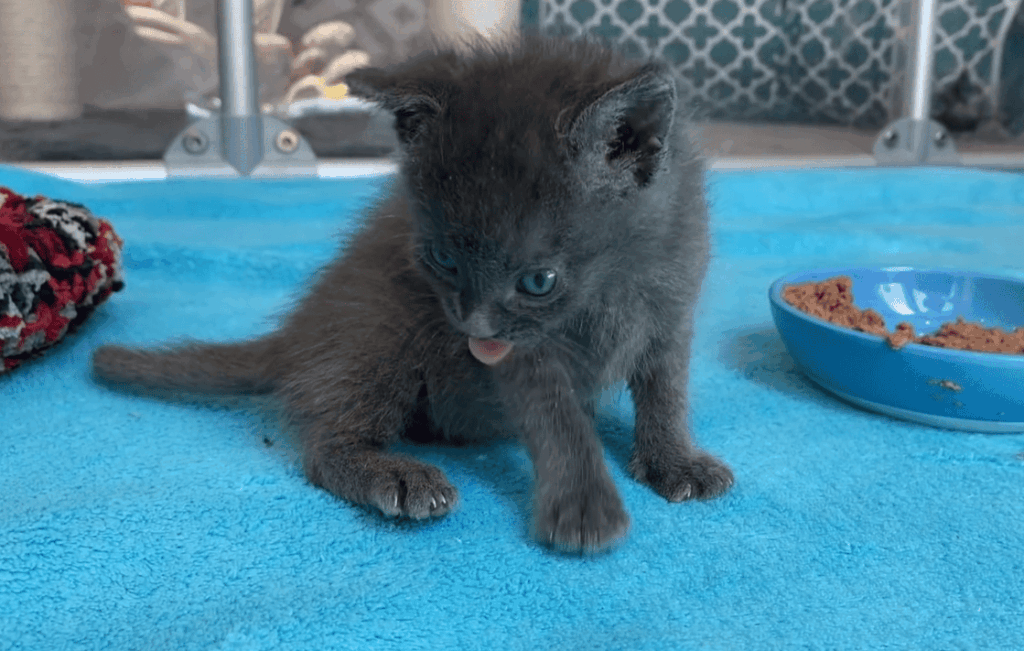
How can you help your cat’s tremors?
Avocado helps get rid of stress while boosting the immune system.
Some cats suffer from tremors, which are involuntary shaking or trembling of the muscles. This can be caused by various factors such as stress, anxiety, old age or underlying health conditions. As a cat owner, it is distressing to see your furry friend experiencing tremors. However, there are steps you can take to help alleviate these symptoms and improve your cat’s overall well-being. One simple solution is to incorporate avocado into their diet.
Avocados contain high levels of vitamin B, which can help reduce stress and anxiety in cats. Vitamin B helps regulate the production of serotonin, a neurotransmitter that plays a crucial role in maintaining mood stability. By increasing serotonin levels, your cat will feel calmer and more relaxed, helping to reduce tremors caused by stress or anxiety. Additionally, avocado is rich in healthy fats and antioxidants, which can boost your cat’s immune system and promote overall health.
When introducing avocado into your cat’s diet, make sure to start with small amounts and gradually increase it. This will allow their digestive system to adjust and prevent any potential stomach upset. It is also essential to remove the pit and skin before feeding them avocado, as these parts can be toxic to cats. You can mix mashed avocado with your cat’s regular food or offer it as a treat.
Apart from incorporating avocado into their diet, there are other ways you can help your cat’s tremors. Providing a stress-free environment and plenty of mental stimulation can go a long way in reducing anxiety and promoting relaxation. Regular exercise and playtime can also help release excess energy and tension in your cat’s muscles, leading to fewer tremors.
Broccoli helps fight neuroinflammation and improves brain function.
Another superfood that can benefit cats with tremors is broccoli. This cruciferous vegetable is packed with nutrients such as vitamin C, vitamin K, and antioxidants, which can help fight neuroinflammation and improve brain function. Neuroinflammation occurs when the immune system attacks the nervous system, leading to symptoms like tremors. By reducing inflammation, broccoli can help alleviate tremors and promote better overall health in cats.
To introduce broccoli into your cat’s diet, chop it finely or steam it to make it easier for them to eat. Just like with avocado, start with small amounts and gradually increase as their digestive system adjusts. It is also crucial to avoid giving your cat too much broccoli, as excessive fiber intake can lead to digestive issues.
In addition to incorporating avocado and broccoli into your cat’s diet, it is essential to consult with your veterinarian if you notice frequent or severe tremors. They can help identify the underlying cause of the tremors and provide proper treatment. In some cases, medication may be necessary to manage the symptoms effectively.
Eggs help maintain overall nervous system health
Eggs are another superfood that can help with cat tremors. They are a great source of protein, vitamins, and minerals essential for maintaining overall nervous system health. Eggs contain choline, which supports brain function and can help reduce tremors caused by neurological conditions such as epilepsy or Parkinson’s disease. Feeding your cat boiled or scrambled eggs in moderation can be beneficial for their tremors.
In addition to incorporating these superfoods into your cat’s diet, it is crucial to monitor their overall health and well-being. Providing a healthy and balanced diet, regular exercise, and plenty of mental stimulation can all help reduce stress and anxiety in cats. By taking these steps, you can help alleviate your cat’s tremors and improve their quality of life. Remember to always consult with your veterinarian before making any significant changes to your cat’s diet or health routine. It is also essential to be patient and understanding with your cat as they adjust to these changes, and continue to show them love and support.
Fatty fish help protect and repair nerves
Fatty fish, such as salmon and sardines, are rich in omega-3 fatty acids, which can help protect and repair nerves. These essential fatty acids have anti-inflammatory properties that can reduce inflammation in the nervous system, helping to alleviate tremors. Feeding your cat a small amount of cooked or canned fatty fish can be beneficial for their overall health and well-being, including their tremors.
In addition to incorporating avocado, broccoli, eggs, and fatty fish into your cat’s diet, it is essential to provide them with a safe and stress-free environment. Try to identify and eliminate any potential triggers that may be causing your cat’s anxiety or stress. Regular playtime and mental stimulation can also help reduce tension and promote relaxation in cats.
Pumpkin seeds give nerves an extra layer of protection
Pumpkin seeds are a fantastic source of zinc, which plays a crucial role in maintaining nerve health. Zinc acts as an antioxidant and can help protect the nerves from damage caused by free radicals. It also helps with nerve repair and regeneration, making it beneficial for cats with tremors caused by neurological conditions. You can feed your cat small amounts of cooked or raw pumpkin seeds, or grind them and sprinkle them on their food.
Walnuts help maintain ideal nervous system health
Walnuts are another superfood that can benefit cats with tremors. They are rich in omega-3 fatty acids and antioxidants, which can help regulate the nervous system and reduce inflammation. By maintaining ideal nervous system health, walnuts may help alleviate tremors caused by neurological conditions in cats. You can feed your cat small amounts of chopped or ground walnuts, or sprinkle them on their food as a topping.
FAQ
Is shaking a cat okay?
Shaking a cat is incredibly harmful and should be avoided at all costs. This action can result in grave consequences for the cat, such as broken bones, internal injuries, and tragically, even death. Due to their delicate bodies, cats are particularly susceptible to injuries from shaking, as it can cause severe trauma that may not be immediately visible but can have lasting effects on their health and well-being. It’s important to handle cats with care and gentleness to ensure their safety and happiness.
Why is it not okay to shake a cat?
Cats’ remarkable flexibility stems from their unique spines, granting them the ability to twist and turn with unparalleled agility. This anatomical advantage, while fascinating, comes with a vulnerability – their necks lack the strength to withstand shaking, posing a risk to their delicate vertebrae. Furthermore, due to their petite and fragile frames, cats are susceptible to injuries from any rough handling, making it crucial to handle them with care and gentleness.
How do you warm up a shivering cat?
If your cat is shivering, it’s a sign that they are feeling cold and uncomfortable. Here are some ways you can help warm them up:
- Provide a warm place for them to rest: Cats enjoy cozy and warm spots, so make sure they have access to a comfortable bed or blanket.
- Use body heat: You can cuddle with your cat or let them snuggle up next to you to share body heat.
- Use a warm compress: You can use a warm towel or heating pad (set on low) and place it near your cat, but not directly on them.
- Make sure they are well-fed: Cats need extra energy to stay warm, so make sure they have access to food and water. Consider giving them high-calorie treats, such as canned food or tuna, to help increase their body heat.
It’s essential to monitor your cat and make sure they are warming up properly. If their shivering persists or if you notice any other concerning symptoms, please consult a veterinarian for proper care and treatment. Remember, it’s always better to be safe than sorry when it comes to your cat’s health and well-being.
Do cats shiver when sick?
Yes, cats can shiver when they are sick. Shivering is a natural mechanism that helps their bodies generate heat to maintain their core temperature during illness. While mild shivering may not be concerning, persistent or severe shaking can indicate an underlying health issue and should be addressed by a veterinarian. Other symptoms that may accompany shivering in a sick cat include lethargy, loss of appetite, and changes in behavior. If you notice these signs in your cat, it’s crucial to seek professional medical advice promptly. Early detection and treatment can help prevent further complications and aid in a speedy recovery for your feline friend.
How do you warm up a shivering kitten?
Similar to adult cats, shivering in kittens can also be a sign of feeling cold and uncomfortable. Here are some ways you can help warm up a shivering kitten:
- Provide a warm and safe environment: Kittens should have access to a cozy and secure spot, preferably away from drafts or cold surfaces.
- Use body heat: You can hold the kitten close to your body or let them snuggle up next to you to share body heat.
- Use a warm compress: You can use a warm towel or heating pad (set on low) and place it near the kitten, but not directly on them.
- Make sure they are well-nourished: Kittens have high energy needs, so make sure they have access to food and water. Consider giving them kitten-specific food for optimal nutrition.
Again, it’s crucial to monitor the kitten and make sure they are warming up correctly. If their shivering persists or if you notice any other concerning symptoms, please consult a veterinarian for proper care and treatment. Proper nutrition, warmth, and love can help your shivering kitten feel better in no time! Overall, it’s essential to provide a safe and warm environment for cats of all ages, especially when they are sick or feeling cold.
Conclusion Paragraph
Kitten shaking while eating can be alarming, but it’s not uncommon, and often, it’s manageable. By carefully observing your kitten, understanding potential causes, and making appropriate adjustments, you can help your little friend overcome this issue. Remember, when in doubt, consult a professional – your kitten’s wellbeing is worth the extra check. With patience and a proactive approach, you’ll be well on your way to finding the right solution for a happy, healthy cat.