
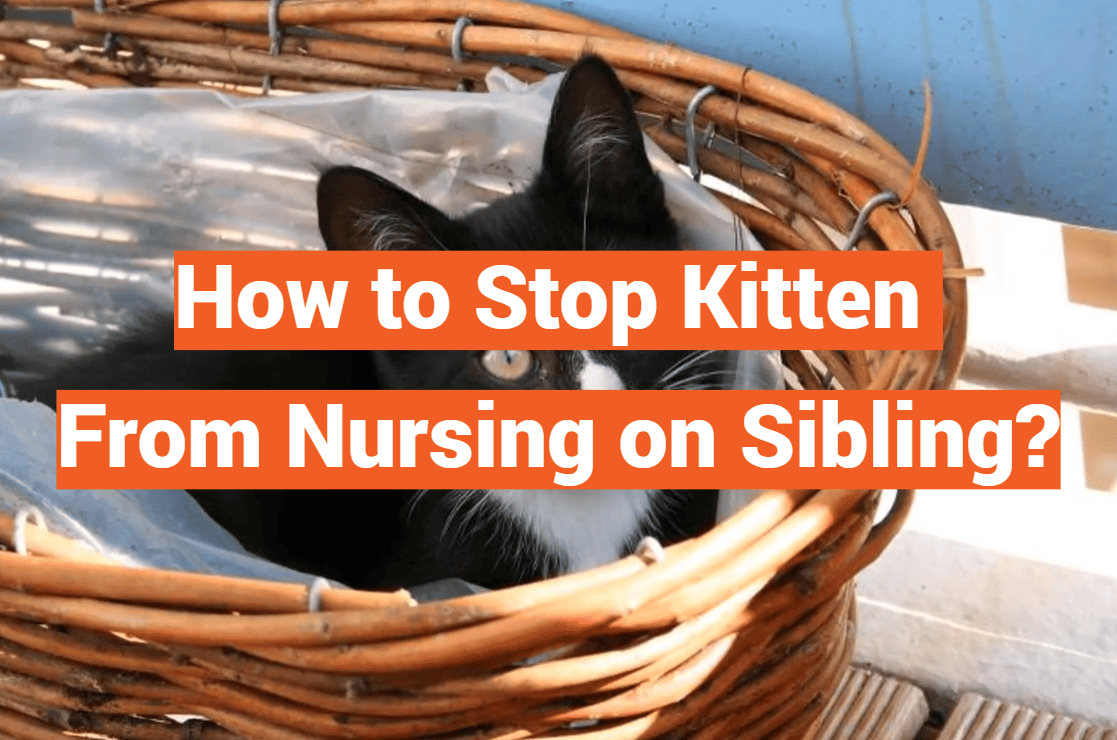
Welcoming a litter of kittens into your home is a heartwarming experience, filled with tiny meows, fluffy tails, and endless amounts of cuteness. However, with this joy comes the responsibility of understanding and managing certain behaviors. One common issue that can arise is when a kitten, often labeled as the ‘nursemaid’ or ‘milk-stealer’, continues to nurse from its mother or siblings well into or past the weaning period. This not only affects the health of the ‘milk-supplying’ kitten but can also lead to behavioral issues. This comprehensive guide is tailored to help you identify, understand, and ultimately address sibling nursing in kittens.
Understanding Sibling Kitten Nursing
Sibling nursing, a common behavior among kittens, involves nursing from their mother not just for nourishment but also for comfort. While weaning typically starts between four to six weeks, some kittens might prolong nursing due to various factors:
- Comfort and Security: The act of nursing not only provides kittens with a sense of comfort and security but also fosters a deep bond between the mother cat and her offspring, creating a nurturing environment akin to a warm hug that promotes emotional well-being and growth.
- Nutritional Requirements: Kittens may sometimes nurse due to specific dietary requirements or health issues, as they seek additional nutrients essential for their growth and development. This behavior can indicate a need for specialized care tailored to their unique nutritional needs.
- Social Bonding: Nursing plays a crucial role in the bonding process, acting as a vital ritual that not only helps kittens maintain close ties with their mother and siblings but also fosters a sense of security, trust, and social connections within the litter. This early interaction not only strengthens the emotional bonds within the family unit but also lays the foundation for future social behaviors and relationships among the kittens.

The Risks and Concerns of Sibling Nursing
While sibling nursing may seem harmless at first, it can lead to various concerns that cat owners should be aware of:
- Overburdened Mother: An over-nursing kitten can exhaust the mother cat, leading to potential health issues, especially if she’s no longer producing as much milk. This could result in the mother becoming malnourished and weakened, impacting her ability to care for her litter effectively.
- Stunted Growth: Kittens who continue to nurse may not take in enough solid food, leading to stunted growth and developmental delays. This can affect their overall health and well-being, as they may not receive the necessary nutrients for proper growth and development.
- Dental Problems: Prolonged sucking can cause dental issues in kittens, such as misalignment or poor development of adult teeth. This could lead to long-term dental problems that may require veterinary intervention to correct.
- Behavioral Issues: Nursing can become a compulsive behavior, leading to anxiety and other behavioral issues in adult cats. This behavior may persist into adulthood, affecting the cat’s social interactions and overall well-being. Addressing this early is crucial to prevent long-term behavioral issues.
When Can Kittens Be Separated From Their Mother?
Why They Shouldn’t Do It Too Soon
It’s essential to allow kittens to nurse and bond with their mother and littermates for at least eight weeks. This period is crucial for a kitten’s development and overall well-being, as it helps them develop important life skills such as socialization, grooming, and regulating their emotions.
Early separation from the mother can lead to behavioral issues in kittens, such as aggression, anxiety, and difficulty adjusting to new environments. Additionally, a kitten’s immune system is still developing at this stage, and nursing provides essential antibodies that help protect them from diseases and illnesses. Therefore, it’s best to wait until the kittens are at least eight weeks old before considering separating them from their mother.

How to Stop It
If you notice that one of the kittens is still nursing, there are a few steps you can take to address this behavior:
- Monitor Feeding Times: Keep track of when each kitten nurses. If there’s a particular time or position that the ‘nursemaid’ tends to nurse, try to intervene and distract them during that period.
- Encourage Solid Food: Introduce solid food to the kittens at around four weeks, as recommended by veterinarians. This will help them transition away from nursing and encourage them to eat more nourishing meals.
- Separate Kittens During Feeding: If possible, try separating the ‘nursemaid’ during feeding times. This will ensure that they don’t take up all the milk supply, allowing the other kittens to nurse adequately.
- Seek Veterinary Advice: If the ‘nursemaid’ continues to nurse despite these interventions, consult with your veterinarian for further guidance and potential solutions. They may recommend specific diets or supplements to meet the kitten’s nutritional needs or suggest methods to discourage nursing behavior.
Balance Separation with Socialization
While it’s essential to address the issue of sibling nursing, it’s equally important to balance this with socialization and bonding. Keeping kittens together for at least eight weeks allows them to develop strong emotional bonds, crucial for their well-being and future relationships. Separating them too early can lead to behavioral issues and affect their overall health and development.
Be mindful of finding a balance between addressing nursing behavior and promoting socialization and bonding within the litter. It’s crucial to prioritize the kittens’ holistic well-being, both physically and emotionally, as they navigate their early stages of life together. Overall, sibling nursing is a natural behavior that can provide comfort and nourishment for kittens but should be monitored and addressed if it becomes excessive or persists into adulthood.
Reasons Your Kitten Is Trying to Nurse on You
Your Kitten Is Nervous
Kittens are known to nurse on their mothers for comfort and security. When they are separated from their mother too early, they may try to replicate this behavior with their human caretakers. This can happen if a kitten is adopted or found as a stray at a young age.
To help your kitten feel more secure, provide them with plenty of toys and safe spaces to play and relax in. Spending quality time with your kitten, such as playing or grooming them, can also help build a bond of trust and security.
Your Kitten Is Hungry
Another common reason for a kitten to try nursing on their human caretaker is hunger. Kittens have small stomachs and need to eat frequently throughout the day. If they are not getting enough food or are feeling hungry between meals, they may try to nurse on you for comfort and sustenance.
Make sure your kitten is getting enough nutrients by feeding them high-quality kitten food. You can also offer small snacks throughout the day to keep their hunger at bay.
Your Kitten Is Teething
Just like human babies, kittens go through a teething phase where their baby teeth fall out to make room for their adult teeth. This process can be uncomfortable and painful for kittens, so they may try to nurse on you as a way to soothe their sore gums.
Provide your kitten with appropriate chew toys to help alleviate the pain of teething. You can also gently massage their gums with a clean finger or offer them chilled treats, such as frozen fruits or vegetables, to help numb the pain.
Your Kitten Is Seeking Attention
Kittens are social creatures and crave attention from their caretakers. If they feel neglected or bored, they may try to nurse on you as a way to get your attention. This behavior can also be seen as a form of play or exploration for kittens.
To prevent your kitten from trying to nurse on you for attention, make sure to spend quality time with them each day. Engage in interactive play sessions and provide them with stimulating toys to keep their minds and bodies active.

Your Kitten Is Just Playing Around
Sometimes, kittens may try to nurse on humans simply because they are curious or playful. This behavior is similar to when kittens pounce and playfully bite their siblings as part of their natural instincts. It’s a way for them to explore the world around them and engage in playful interactions. If your kitten starts to nibble or suckle on you in a playful manner, gently redirect their attention to a toy or game.
This redirection not only helps in teaching appropriate behavior but also strengthens the bond between you and your furry friend. Remember, patience and positive reinforcement go a long way in shaping your kitten’s habits and ensuring a happy and harmonious relationship.
Orphaned Kitten
If your kitten has been orphaned and does not have a mother to nurse from, they may try to nurse on you for comfort and sustenance. In this case, it is important to provide them with proper care and nutrition as recommended by a veterinarian or animal shelter. Additionally, creating a warm and safe environment for the kitten to feel secure is crucial. Ensuring they have a cozy bed, appropriate litter box, and stimulating toys can help them adjust to their new situation better.
It is also crucial to pay extra attention to an orphaned kitten’s emotional well-being. They may need extra love and comfort during this difficult time, so make sure to provide them with plenty of affection and reassurance. Spending quality time with the kitten, engaging in gentle play, and offering comforting cuddles can greatly help in building trust and a sense of security for the little one. Remember, your patience and care are vital in helping the orphaned kitten thrive and feel loved.
Comfort Nursing
Some kittens may continue to try and nurse on humans, even into adulthood. This behavior, known as “comfort nursing,” can stem from anxiety or insecurity in cats. It is crucial to address the underlying cause of this behavior to ensure your cat’s well-being.
Seeking guidance from a veterinarian or animal behaviorist can provide valuable insights on how to support your cat in feeling more secure and confident. By approaching the situation with patience and empathy, you can assist your kitten or cat in transitioning away from nursing on humans and developing healthier coping mechanisms for their emotional needs.

FAQ
How do I get my kitten to stop nursing my male cat?
- One potential solution to this issue is to separate the kitten from the male cat during feeding times. This will prevent the kitten from trying to nurse on the male cat and allow him to establish boundaries.
- Another approach is to provide plenty of toys and distractions for the kitten during feeding times, so they are less likely to try and nurse on the male cat.
- It may also be helpful to consult with a veterinarian or animal behaviorist for additional advice and guidance on how to address this behavior.
- Remember to be patient and consistent with any training techniques, as it may take time for the kitten to learn appropriate behaviors.
What should I do if my kitten is not eating?
- If your kitten is not eating, it’s important to first rule out any potential medical issues by taking them to a veterinarian.
- If there are no underlying health concerns, try offering different types of food or changing up their feeding routine. Some kittens may be picky eaters and need more variety in their diet.
- You can also try hand-feeding your kitten or using interactive toys to make mealtime more enticing.
- In some cases, a change in environment or schedule can also affect a kitten’s appetite. Make sure they have a comfortable and stress-free living space to encourage healthy eating habits.
- If the issue persists, consult with your veterinarian for additional advice and support.
What is the best way to introduce my kitten to other pets?
- Introducing a new kitten to other pets in the household can be a gradual process. Start by allowing them to see and smell each other through a closed door.
- Once they seem comfortable, you can try supervised interactions in a controlled environment. Make sure to give each pet their own space and attention during this time.
- It’s important to monitor the interactions closely and intervene if any aggressive behavior occurs. Reward positive interactions with treats and praise to reinforce good behavior.
- Be patient and give the pets time to get used to each other. It may take a few weeks or even months for them to establish a bond, but with proper introductions and positive reinforcement, they can become great friends. #
Is it OK to separate sibling kittens?
In most cases, it is not recommended to separate sibling kittens as they have likely formed a strong bond and separating them can lead to distress for both kittens. However, there are certain circumstances where separation may be necessary, such as if the kittens are displaying aggressive behavior towards each other or one kitten has special medical needs that require individual care. If you do need to separate siblings, it’s important to do so gradually and provide plenty of love and attention for each kitten. You can also consider consulting with a veterinarian or animal behaviorist for additional advice on how to best handle the situation.
How do I know if my kitten is sick?
It’s important to monitor your kitten’s behavior and appearance regularly to spot any signs of illness. Some common symptoms to look out for include:
- Changes in appetite or weight
- Lethargy or lack of energy
- Diarrhea or vomiting
- Difficulty breathing
- Discharge from the eyes, ears, nose, or mouth
If you notice any of these symptoms, it’s best to consult with a veterinarian for proper diagnosis and treatment. It’s always better to err on the side of caution when it comes to your kitten’s health.
What can I do to keep my kitten healthy?
To keep your kitten healthy, make sure they receive regular check-ups and vaccinations from a veterinarian. Provide them with a balanced diet appropriate for their age and monitor their weight to prevent obesity. Keep their living space clean and provide them with plenty of toys and opportunities for exercise. It’s also important to keep up with regular grooming, such as brushing their fur and trimming their nails. Lastly, make sure your kitten is microchipped or has proper identification in case they ever get lost. #
Is it normal for a 4-month-old kitten to still nurse?
It is not uncommon for 4-month-old kittens to still seek comfort through nursing, especially if they were separated from their mother at a young age. However, it’s important to start weaning them off of nursing and onto solid food at this age. Consult with your veterinarian for tips on how to transition your kitten to a fully solid diet and provide them with the necessary nutrition for healthy growth.
How can I help my kitten adjust to a new home?
Moving to a new home can be stressful for kittens, so it’s important to make the transition as smooth as possible. Keep them in a quiet and comfortable room with all their necessary supplies, such as food, water, litter box, and toys. Gradually introduce them to other areas of the house and provide plenty of love and attention to help them feel safe and secure. It may also be helpful to use pheromone sprays or diffusers designed for cats to create a calming environment. With time, patience, and consistency, your kitten will adjust to their new home.
Conclusion Paragraph
Managing sibling kitten nursing is a process that requires patience, observation, and targeted intervention. By understanding the various factors that might contribute to this behavior, and by implementing the strategies outlined in this post, you can help your kittens grow into healthy, well-adjusted cats. Remember, each kitten is an individual, and their needs and responses may vary. If you’re in doubt or encountering persistent challenges, seeking professional advice is always a sound decision. Ultimately, the goal is to provide a safe, supportive, and enriching environment for these little felines, nurturing them into adulthood while celebrating their unique personalities and quirks.